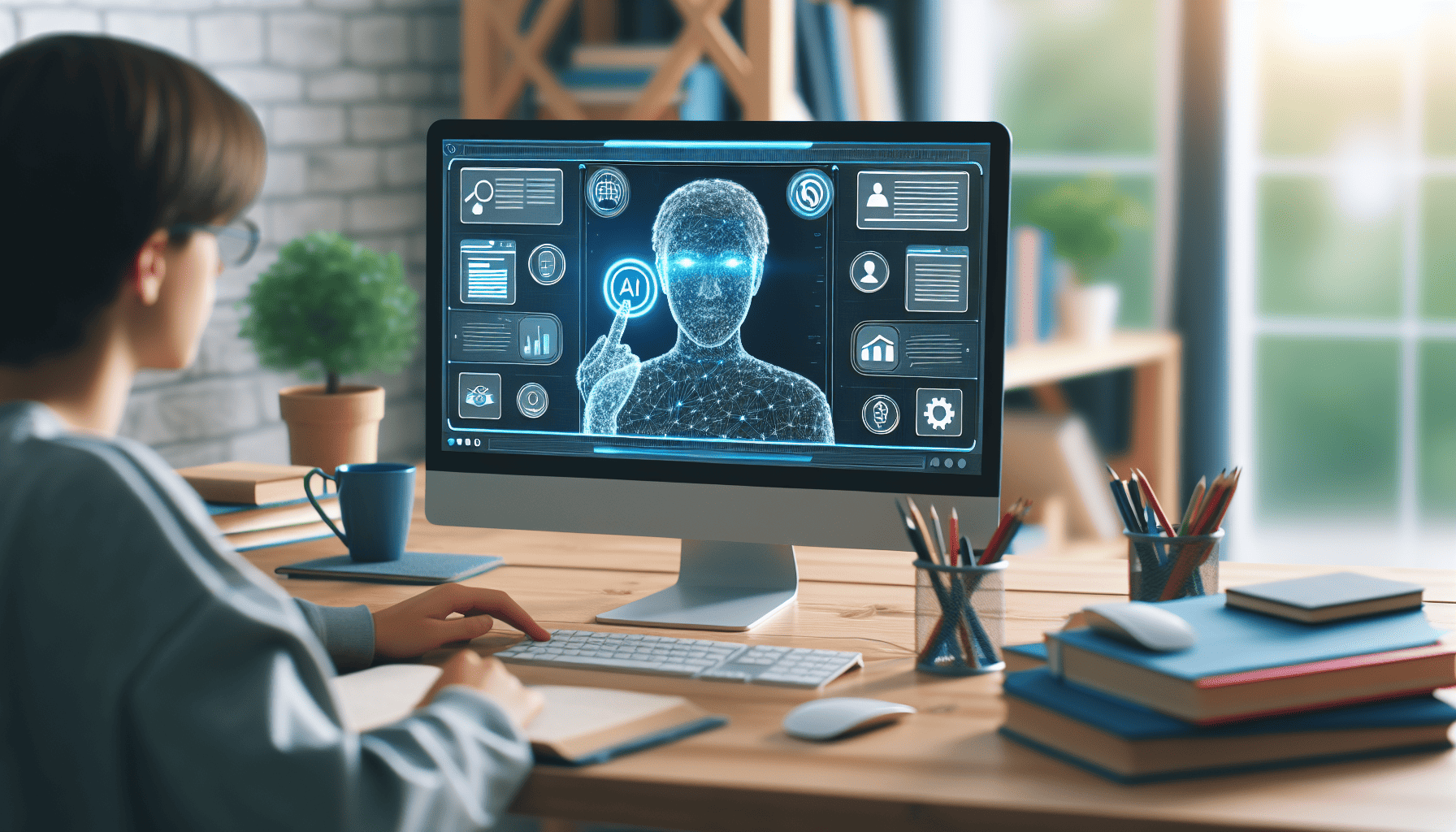
In recent years, technology has revolutionized numerous sectors, and education is no exception. One of the most impactful innovations is the emergence of AI tutors, which offer personalized learning experiences tailored to the needs of individual students. This advancement has not only made education more accessible but also more effective by enhancing learning outcomes.
AI tutors utilize sophisticated algorithms and machine learning techniques to assess student performance and adapt the curriculum accordingly. By analyzing a student's strengths, weaknesses, learning pace, and preferences, these digital tutors create customized study plans that cater to individual learning needs. This personalized approach ensures that students can focus their efforts on areas that need improvement while consolidating their understanding of already mastered concepts.
Moreover, AI tutors provide real-time feedback, which is crucial for effective learning. Immediate insights into a student’s performance help identify misconceptions and rectify them promptly, preventing gaps in knowledge from widening. This constant feedback loop keeps students engaged and motivated, as they receive encouragement and support tailored to their personal progress.
Another significant advantage of AI tutors is their accessibility. They provide educational support 24/7, making it possible for students to learn at their own convenience, unrestricted by geographical location or time. This flexibility is particularly beneficial for students who might have other commitments or who thrive in non-traditional learning environments.
Furthermore, AI tutors promote inclusivity in education. They are designed to cater to diverse learning styles and can support students with special educational needs. By offering various forms of content delivery, such as visual aids, interactive simulations, or auditory instructions, AI tutors help accommodate different preferences, ensuring that every student has the opportunity to succeed.
While AI tutors are not intended to replace human educators, they serve as a valuable complement to traditional teaching methods. Teachers can leverage AI tools to monitor and support their students more effectively, spending less time on administrative tasks and more on interactive, human-centric instruction.
In conclusion, AI tutors represent a transformative development in the field of education, providing personalized learning experiences that adapt to the unique needs of every student. By improving accessibility, engagement, and educational outcomes, these digital tools are paving the way for a more inclusive and efficient educational landscape, where every student has the opportunity to reach their full potential. As technology continues to evolve, the integration of AI in education promises to unlock even greater possibilities for learners worldwide.